09:30 – 10:00· 30 min
Main Stage
10:00 – 10:05· 5 minHosting
Welcome
10:05 – 12:20· 135 minTalk
TEDxBerlin talks
Talk times to be announced · includes a coffee break

Abdelmoula El Hadi
Exploring the paradoxes shaping innovation, leadership and change

Martin Gutmann
Historian, author, keynote speaker · Lucerne School of Business
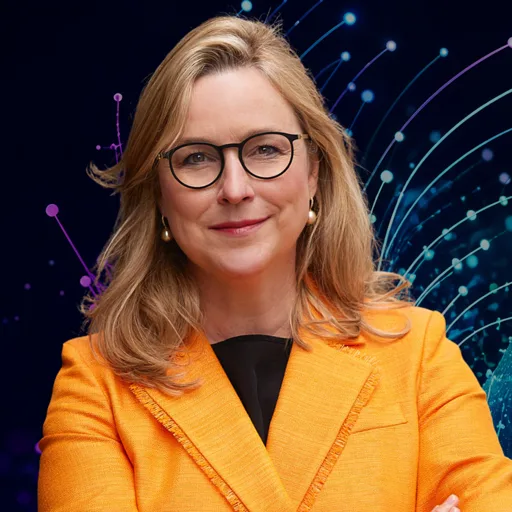
Isabel Hartung
Multi-Supervisory Board Member, Strategic Advisor for Transformation, Digitalization, and AI
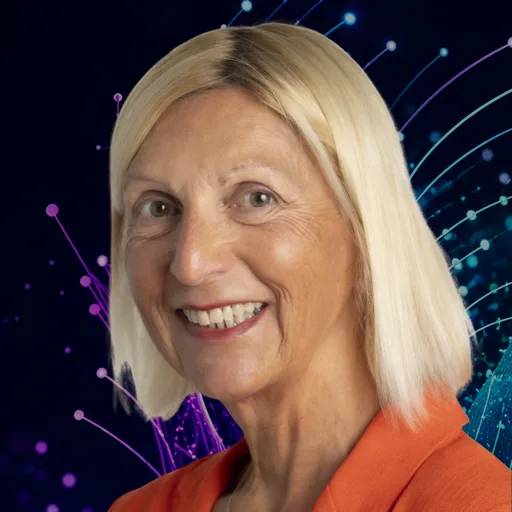
Isabelle Barth
Welcome to kakistocracy and explore the darkside of management! · VISTA BLUE
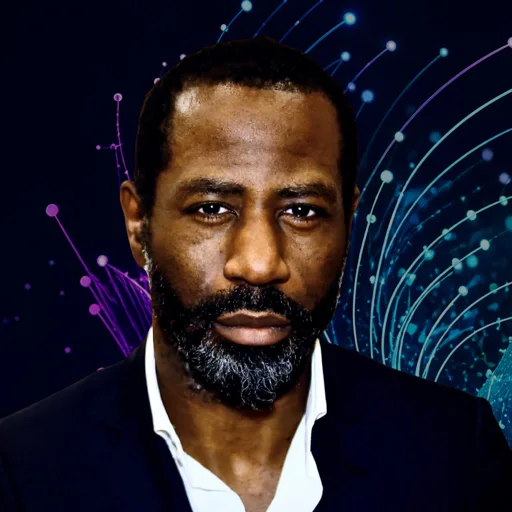
Hamilton Mann
Originator of Artificial Integrity and Trias Algorithmica

Markham Heid
Journalist and Author
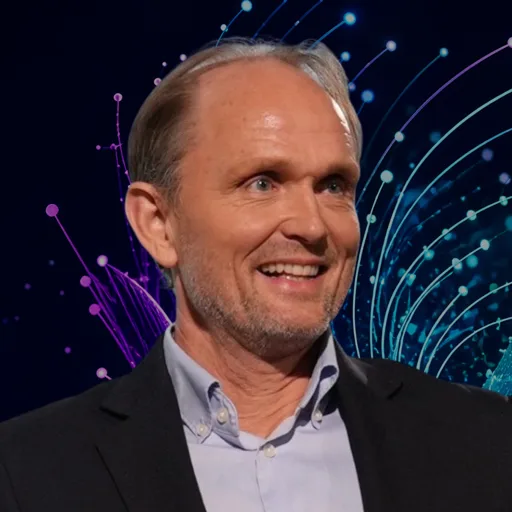
Johan Roos
Professor, Speaker, Advisor
12:20 – 13:20· 60 min
Break
13:20 – 13:35· 15 minInterview
en
Rethinking Leadership: Culture, Human Potential, and the AI Shift
As AI reshapes the way organizations operate, what does effective leadership look like in a rapidly changing world? In this interview, Henrik Ahlers will explore individual leadership skills, the evolving leadership culture in Germany, and the broader organizational implications of AI acceleration. Reflecting on key ideas and insights from the TED Talks throughout the morning, the conversation will examine how leaders can navigate technological change, rethink established approaches, and prepare themselves and their organizations for the future.
Henrik Ahlers
Country Managing Partner · EY

Stephan Balzer
Founder and Curator · red onion GmbH & TEDxBerlin
13:35 – 14:05· 30 minPanel
en
From Leadership Vision to Organizational Reality: Putting AI into Practice
How do large organizations translate the ambition around AI into meaningful change on the ground? Building on the broader leadership questions raised in the interview with Henrik Ahlers, this panel with Yilmaz Alan and Johan Roos will explore the internal structures, organizational cultures, and day-to-day realities shaping AI adoption. The discussion will examine how companies are integrating AI into their operations, what it takes to move from strategy to implementation, and how leaders can navigate the practical challenges of transformation at scale. By connecting leadership vision with organizational experience, the panel will explore what it takes to turn AI's potential into lasting impact.

Yilmaz Alan
Managing Partner · EY Germany
Johan Roos
Professor, Speaker, Advisor
Stephan Balzer
Founder and Curator · red onion GmbH & TEDxBerlin
14:05 – 14:50· 45 minPanel
en
The Human Advantage
As artificial intelligence transforms how businesses operate, industries evolve, and value is created, leaders face a deeper question: what will distinguish successful organizations when technology alone is no longer the differentiator? The answer may lie in the qualities that remain distinctly human: judgment, creativity, collaboration, and the ability to give innovation purpose. Bringing together Tanja Drelich, Alexander Doll, Liisa Ketomäki, and Silvia Hernandez, this panel examines how leadership must evolve as AI reshapes the world of business and beyond. Drawing on perspectives spanning investment, corporate governance, cultural leadership, and organizational transformation, the speakers will explore how to navigate technological disruption while creating lasting value for both people and organizations. From rethinking how we define performance and develop talent to finding new ways for humans and intelligent technologies to work together, the discussion will challenge conventional ideas of progress and consider what leaders must protect, nurture, and rethink as AI becomes increasingly capable. Ultimately, the question is not just what technology will enable us to do, but what kind of future will we choose to create with it?

Silvia Hernandez
Visiting Professor MMU, Advisor to the World Economic Forum · Manchester Metropolitan University

Alexander Doll
Chairman of the DACH Region · CVC DIF
Liisa Ketomäki
CEO · Mahler Chamber Orchestra gGmbH

Tobias Leipprand
Founder & Partner, LEAD Forward · Co-Founder, One Thousand · LEAD Forward & One Thousand

Tanja Dreilich
CFO · Goldenberg AI Tech GmbH & KI Park e. V.
14:50 – 15:05· 15 minDemo
en
Podcast Launch
Martin Gutmann
Historian, author, keynote speaker · Lucerne School of Business
Stephan Balzer
Founder and Curator · red onion GmbH & TEDxBerlin
15:05 – 15:35· 30 min
Break
15:35 – 15:45· 10 minInterview
en
Creative Leadership: AI Can Generate Ideas. But Can It Have Taste?
In this interview with Tom Bellamy, we’ll explore how AI is transforming creativity, production and the way ideas come to life. What distinguishes truly original thinking from the merely generated, and what role do human instinct, taste and creative judgment play in an increasingly AI-driven world? Drawing on Tom’s experience leading creative work across markets and cultures, the conversation looks at what creativity means when ideas can be produced at scale: how taste is formed, why cultural understanding cannot be automated, and how creative leaders can embrace AI’s potential while preserving the human insight that makes ideas stand out and resonate.

Tom Bellamy
Executive Creative Director EMEA · VaynerMedia
Stephan Balzer
Founder and Curator · red onion GmbH & TEDxBerlin
15:45 – 16:05· 20 minPanel
en
Creative Leadership in the Age of AI: Building Brands Beyond the Algorithm
Drawing on their experience across brand strategy, digital transformation, and creative leadership, the discussion will examine how leaders can turn AI's potential into meaningful innovation without losing sight of originality, human judgment, and brand identity. From rethinking creative processes to building culturally relevant brands and inspiring teams to challenge conventional thinking, the panel will explore what it takes to lead creativity when technology can generate almost anything. Ultimately, the conversation asks: When AI can generate the ideas, what does it take to lead the creativity that makes them matter?
Burkhard Müller
CDO & Chairman · MUTABOR & ADC
Marc Sasserath
CEO & Prof. Entrepreneurial Branding ESCP · Sasserath 1871
Tom Bellamy
Executive Creative Director EMEA · VaynerMedia
Stephan Balzer
Founder and Curator · red onion GmbH & TEDxBerlin
16:05 – 16:20· 15 minInterview
en
Unveiling your ego
What if the biggest thing holding you back isn't the world around you, but the patterns within you? In this interview, we speak with Shani Lehrer, creator of the Inner Geopolitics Method, about the relationship between our ego, personal growth, and leadership. We explore how unconscious patterns shape the way we think, make decisions, and show up in our personal and professional lives — and how becoming aware of them can help us unlock our potential. As a preview of the “Unveiling Your Ego: Becoming Who You Have Always Been” workshop taking place the following day in Berlin, Shani offers a glimpse into the ideas and insights that will be explored more deeply during this immersive experience. Discover how greater self-awareness can transform the way you lead, live, and connect with yourself and others.
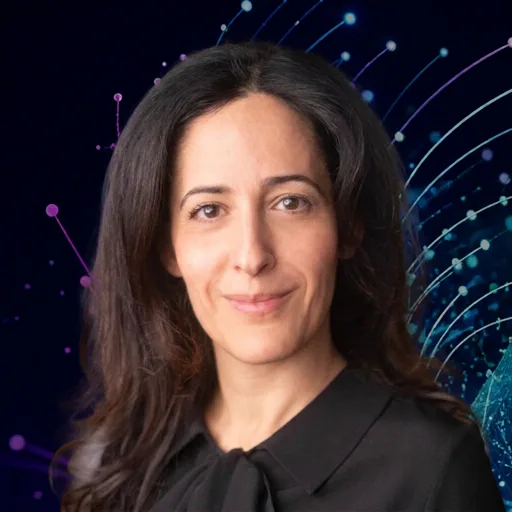
Shani Lehrer
Strategic consultant and creator of the Inner Geopolitics Method · the Inner Geopolitics Method
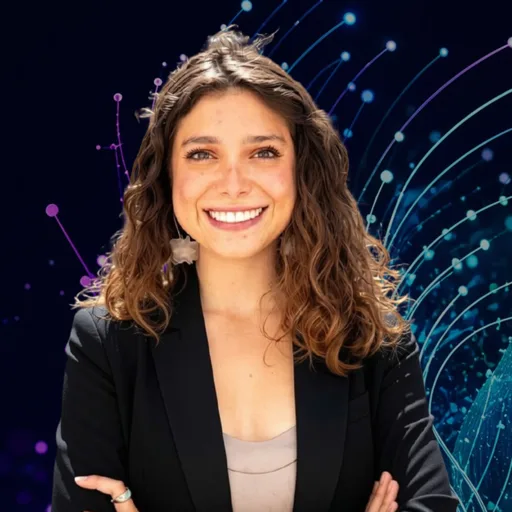
Natalia Sahagun
Project Manager · red onion GmbH & TEDxBerlin
16:20 – 16:40· 20 minPanel
de
Who's Familiar with Playful Leadership? / Wer kennt Playful Leadership?
Was wäre, wenn wir Verspieltheit nicht nur mit der Kindheit verbinden würden, sondern sie auch als Möglichkeit begreifen, Führung neu zu denken? In Organisationen, die von ständigem Wandel und der rasanten Entwicklung von KI geprägt sind, war es noch nie so wichtig wie heute, neugierig zu bleiben, Annahmen zu hinterfragen und Herausforderungen aus neuen Perspektiven zu betrachten. Beim TEDxBerlin Salon „Leadership in the Age of AI“ am 9. November sprechen Dr. Matthias Meifert, Geschäftsführer von HRpepper, und Isabel Hartung darüber, wie Playful Leadership neue Möglichkeiten für Führungskräfte und ihre Teams eröffnen kann. Inspiriert von Gregory Batesons Theorie des Spiels und des Lernens, geht es in ihrem Gespräch darum, wie spielerische Ansätze den Freiraum schaffen, vertraute Denkmuster zu verlassen, etablierte Regeln zu reflektieren und neue Formen der Zusammenarbeit auszuprobieren. Anstatt Erwartungen einfach zu erfüllen, können Führungskräfte lernen zu erkennen, wann es an der Zeit ist, diese zu hinterfragen. Während KI die Art und Weise verändert, wie wir arbeiten, werden die Fähigkeit, zu experimentieren, sich anzupassen und gemeinsam zu lernen, zu wichtigen Bestandteilen moderner Führung. Im Gespräch geht es darum, wie ein spielerischer Ansatz Organisationen dabei helfen kann, mit Unsicherheit umzugehen und gleichzeitig Raum für Kreativität, Offenheit und echte menschliche Verbindung zu schaffen. Was könnte sich verändern, wenn wir uns selbst und unseren Teams mehr Raum zum Spielen geben?
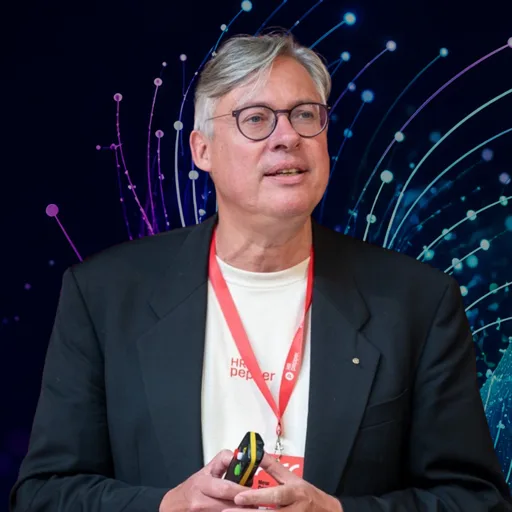
Matthias Meifert
Founder and Managing Partner · HRpepper GmbH & Co. KGaA
Isabel Hartung
Multi-Supervisory Board Member, Strategic Advisor for Transformation, Digitalization, and AI
16:40 – 17:10· 30 minPanel
en
Educating the next leader
We spend years training people for jobs that may not exist tomorrow, yet leave the most important skill, leading well, largely to chance. As AI rewrites the rules of work, the question of who leads, and how they learn to lead, has never mattered more. What should leaders really be learning? Why do the wrong people so often end up in charge? And what would it take to raise a generation of leaders ready for a future none of us can fully see?

Joerg Geier
Director, Executive Education · Partner & Co-Founder, PDIE Group · Member, Club of Rome · Thunderbird School of Global Management
Isabelle Barth
Welcome to kakistocracy and explore the darkside of management! · VISTA BLUE

Marc Drüner
Founder & CEO, Professor of Innovation Management · eduBITES
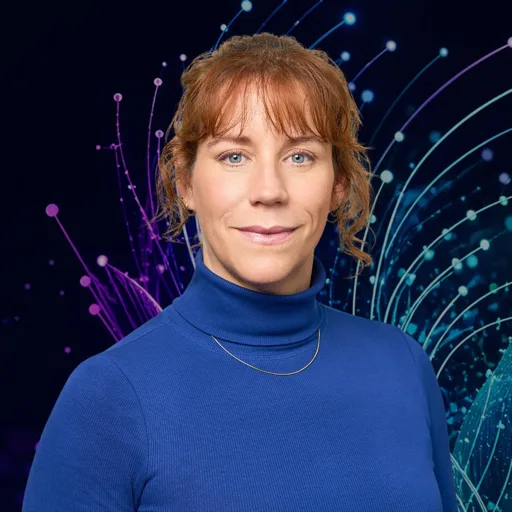
Wiebke Harms
Editor · Harvard Business manager
17:10 – 17:30· 20 minKeynote
en
Outlook Germany
For generations, Germany’s small and medium-sized companies have quietly powered one of the world’s strongest economies, built on precision, patience, and trust. But the qualities that made them world leaders were shaped for a different era. As AI accelerates change and the global landscape shifts, what will it take for the Mittelstand to thrive in the decades ahead? Which traditions are worth protecting, which need to be reinvented, and who gets to decide?

Alexander Stüger
Founder, Boardmember, Transformation Coach

Florian Böhme
CEO · ryd GmbH
Stephan Balzer
Founder and Curator · red onion GmbH & TEDxBerlin